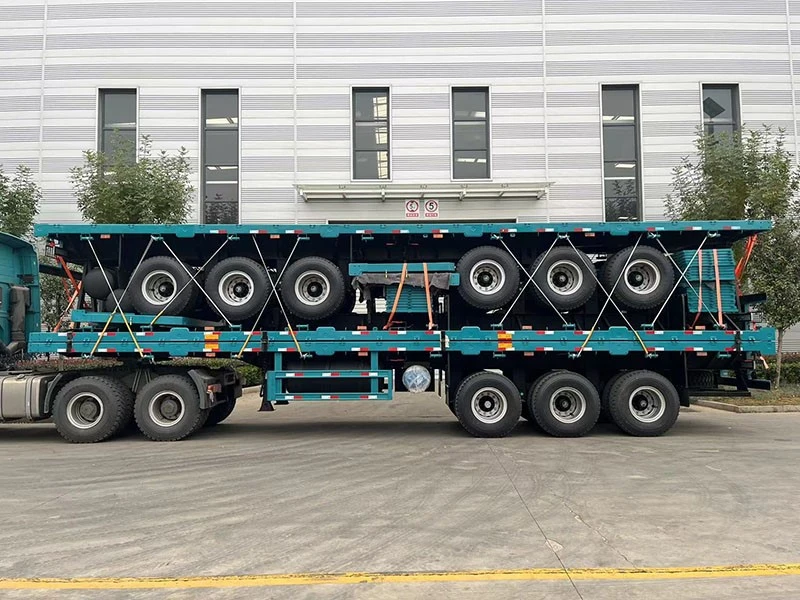
40ft Flatbed Trailer for Mining
We manufacture high quality 40 Feet Flatbed Trailer in accordance to customer's requirements. If you are shopping for 440 Feet Flatbed Trailer manufacturer, we will be your excellent choice. We supply a full vary of Heavy Duty Flatbed Trailers with customer satisfaction guaranteed.
40 Feet Flatbed Trailer
We manufacture high quality 40 Feet Flatbed Trailer in accordance to customer's requirements. If you are shopping for 440 Feet Flatbed Trailer manufacturer, we will be your excellent choice. We supply a full vary of Heavy Duty Flatbed Trailers with customer satisfaction guaranteed.
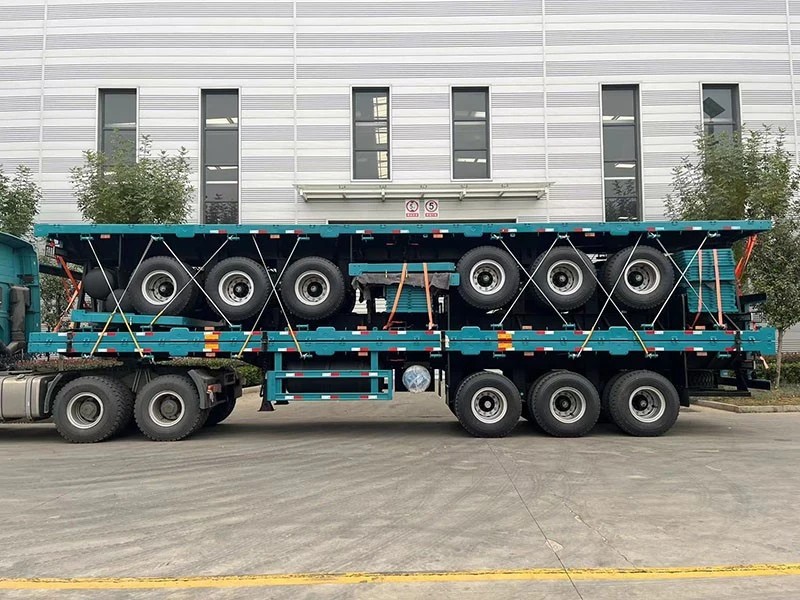
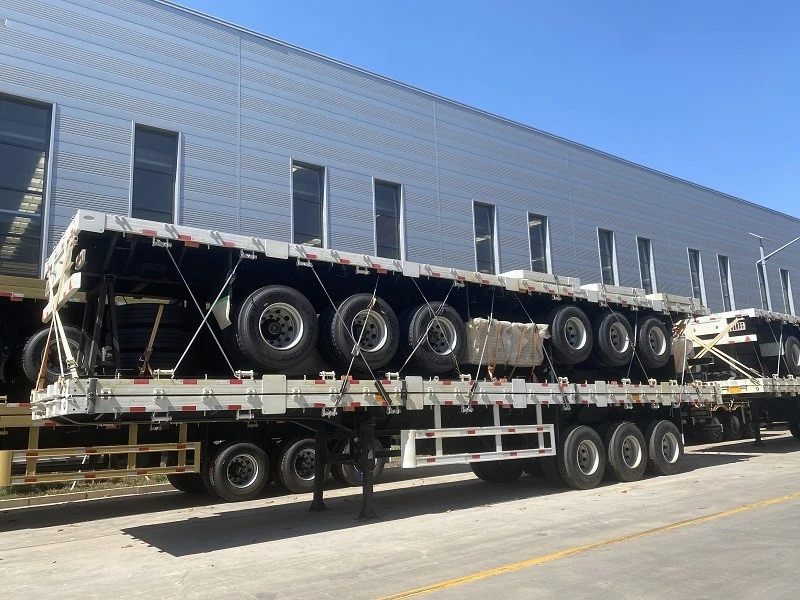
The parameters of a 40 feet flatbed trailer
| Paramater | Description |
| Length | 40 feet (12.19 meters) |
| Width | 8 feet (2.44 meters) |
| Height | 8 feet 6 inches (2.59 meters |
| Tare weight (empty weight) | 10,000-12,000 lbs (4,535-5,443 kg) |
| Payload capacity | 42,000-45,000 lbs (19,050-20,412 kg) |
| Maximum load height | 8 feet 6 inches (2.59 meters) |
| Maximum load width | 8 feet 6 inches (2.59 meters) |
| Maximum load length | 40 feet (12.19 meters) |
| Number of axles: | two or three |
If you are interested in our 40 Feet Flatbed Trailer or you wanna know more infos, Please contact us.
Whatsapp/Tel:+86 191 0068 9141
Email:semitrailer@sdvehiclemaster.com
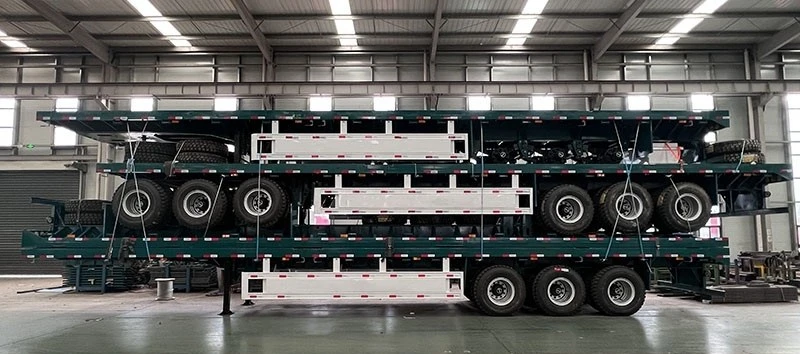
Video of 40 Feet Flatbed Trailer
The Production Process of 40 Feet Flatbed Trailer
Design: The first step is to design the 40 feet flatbed trailer. This involves determining the trailer's specifications, such as size, weight capacity, axle configuration, and any additional features or customizations required by the customer.
Material selection: Once the design is finalized, appropriate materials are selected for different parts of the trailer. Common materials include high-strength steel for the main frame and cross members, aluminum for the floor, and additional components such as axles, wheels, and suspension systems.
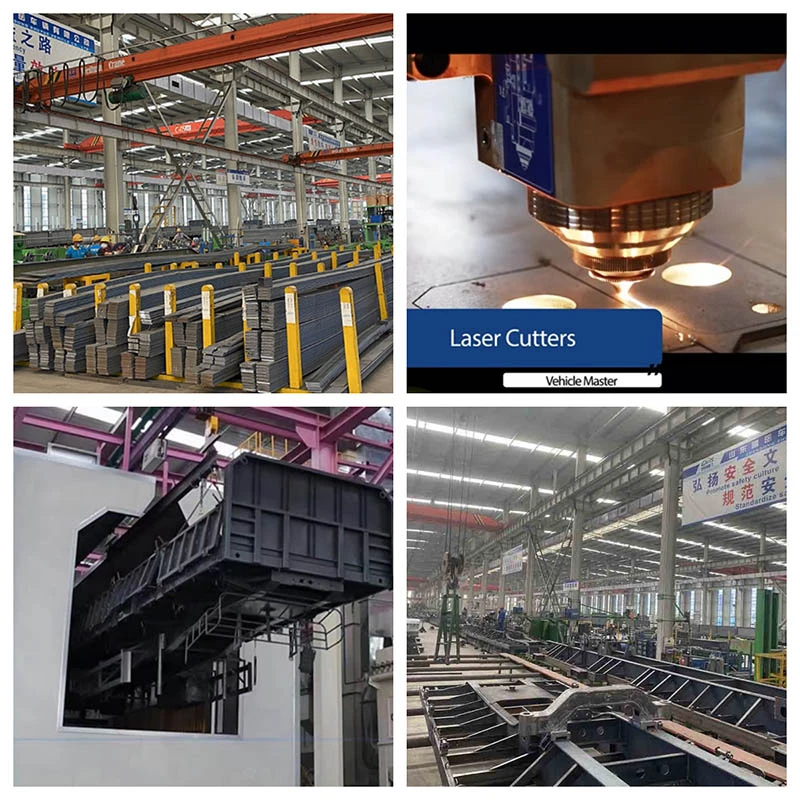
Fabrication: The fabrication process involves cutting, shaping, and welding the steel components of the trailer frame and cross members. This is typically done using automated machines and skilled welders to ensure accuracy and structural integrity.
Assembly: After the main frame is fabricated, the assembly process begins. This involves attaching and welding the cross members, installing the suspension system, axles, wheels, and other components. The flatbed floor may be made of steel or aluminum, and it is installed and secured to the frame during this stage.
Electrical and hydraulic systems: Depending on customer requirements, electrical and hydraulic systems may be installed. This includes wiring the lighting system, installing brakes, hydraulics, and any other necessary electrical connections.
Painting and finishing: Once assembly is complete, the trailer goes through a painting process, where it is primed and painted with a corrosion-resistant coating. Other finishing touches, such as applying decals or custom branding, may also be done during this stage.
Quality control: Throughout the production process, quality control measures are implemented to ensure that the trailer meets all required specifications and standards. This involves rigorous inspections and tests, including structural integrity checks, brake tests, and electrical system checks.
Final inspection and delivery: Once the trailer has passed all quality control measures, a final inspection is conducted to ensure that everything is in order. The trailer is then prepared for delivery to the customer, which may involve additional steps such as securing it to a transport vehicle or packaging it for shipping.
Features of 40 Feet Flatbed Trailer
Finite Element analysis is carried out to heavy obligation flatbed trailer to make bigger performance.
The whole flatbed semi trailer physique is utilized with electrophoresis portray that can closing up to 10 years in the Philippine market.
High strength full thickness metal with titanium content material of 0.98‰, which maximizes beam and frame's longevity and strength. Such metal power can assist heavy cargo. This is a distinguishing function of forty feet heavy trailers. Although it is now not some thing that can be considered with the bare eye, as a expert trailer manufacturer, it need to be done.
42 tough rib design that ensures the protection and required carrying potential of the trailer. The heavy-duty trailers we export to the Philippine market are strictly required to manipulate the quality, and many inferior semi trailers can't reap the 42-rib design.
Stable and long-lasting hydraulic assist system. This will make heavy-duty flatbed trailers brake touchy and function smoothly. The hydraulic machine is like the blood of the human physique on the trailer. Only when it is unimpeded can it face up to the take a look at of a range of transportation environments. In the Philippines, when you buy forty feet heavy-duty semi trailers for sale, you need to think about that the Philippines has seas, mountains, and transportation eventualities in a number of intense environments.
Packing & Shipping
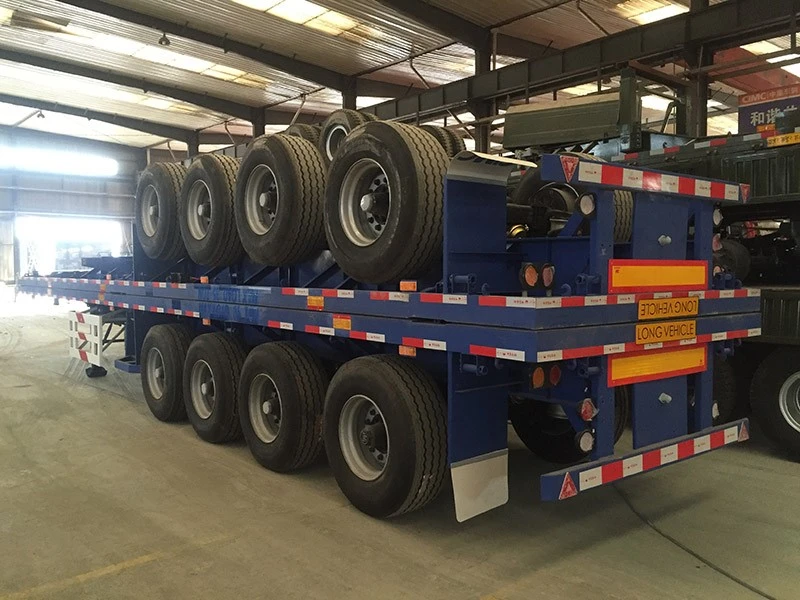
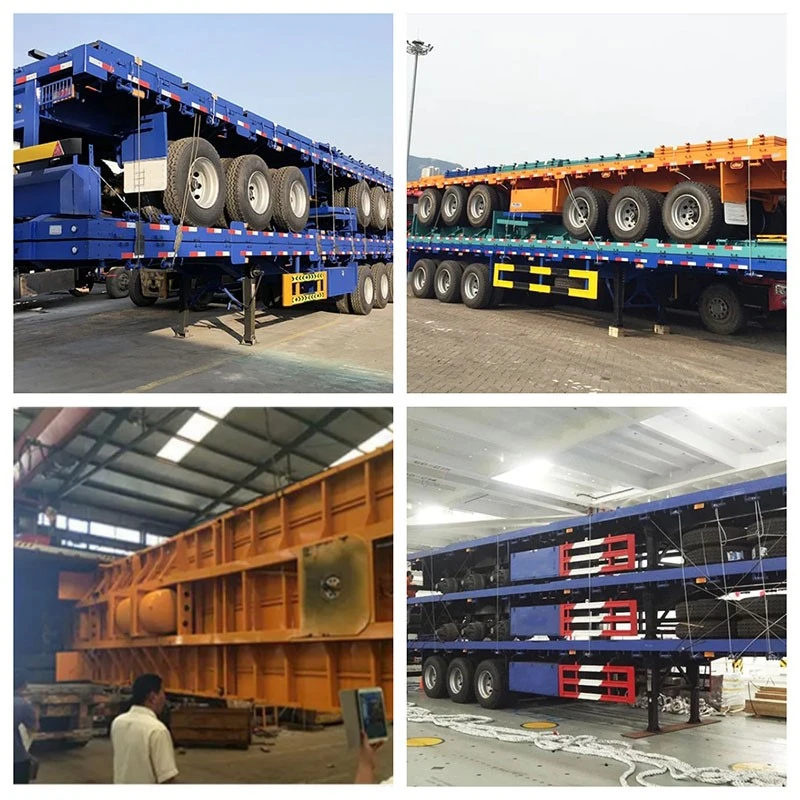
Many customers will choose to use container transportation when transporting flatbed trailers because this can have lower transportation costs and shorter transportation time.
40Ft flatbed truck trailers are generally used for bulk carriers or ro-ro ships for transportation. We will ensure that Panda Mech commercial flatbed trailers will be waxed and covered with tarps when the cargo ships are in bulk.
Specification
| Paramater | Description |
| Length | 40 feet (12.19 meters) |
| Width | 8 feet (2.44 meters) |
| Height | 8 feet 6 inches (2.59 meters |
| Tare weight (empty weight) | 10,000-12,000 lbs (4,535-5,443 kg) |
| Payload capacity | 42,000-45,000 lbs (19,050-20,412 kg) |
| Maximum load height | 8 feet 6 inches (2.59 meters) |
| Maximum load width | 8 feet 6 inches (2.59 meters) |
| Maximum load length | 40 feet (12.19 meters) |
| Number of axles: | two or three |
| Whatsapp/Tel | +86 191 0068 9141 |
| semitrailer@sdvehiclemaster.com | |
| Design | The first step is to design the 40 feet flatbed trailer. This involves determining the trailer's specifications, such as size, weight capacity, axle configuration, and any additional features or customizations required by the customer. |
| Material selection | Once the design is finalized, appropriate materials are selected for different parts of the trailer. Common materials include high-strength steel for the main frame and cross members, aluminum for the floor, and additional components such as axles, wheels, and suspension systems. |
| Fabrication | The fabrication process involves cutting, shaping, and welding the steel components of the trailer frame and cross members. This is typically done using automated machines and skilled welders to ensure accuracy and structural integrity. |
| Electrical and hydraulic systems | Depending on customer requirements, electrical and hydraulic systems may be installed. This includes wiring the lighting system, installing brakes, hydraulics, and any other necessary electrical connections. |
| Painting and finishing | Once assembly is complete, the trailer goes through a painting process, where it is primed and painted with a corrosion-resistant coating. Other finishing touches, such as applying decals or custom branding, may also be done during this stage. |
| Quality control | Throughout the production process, quality control measures are implemented to ensure that the trailer meets all required specifications and standards. This involves rigorous inspections and tests, including structural integrity checks, brake tests, and electrical system checks. |
| Final inspection and delivery | Once the trailer has passed all quality control measures, a final inspection is conducted to ensure that everything is in order. The trailer is then prepared for delivery to the customer, which may involve additional steps such as securing it to a transport vehicle or packaging it for shipping. |
Request a Quotation
Send us your destination port and any special requirements. Our team reviews the configuration and prepares a quotation.