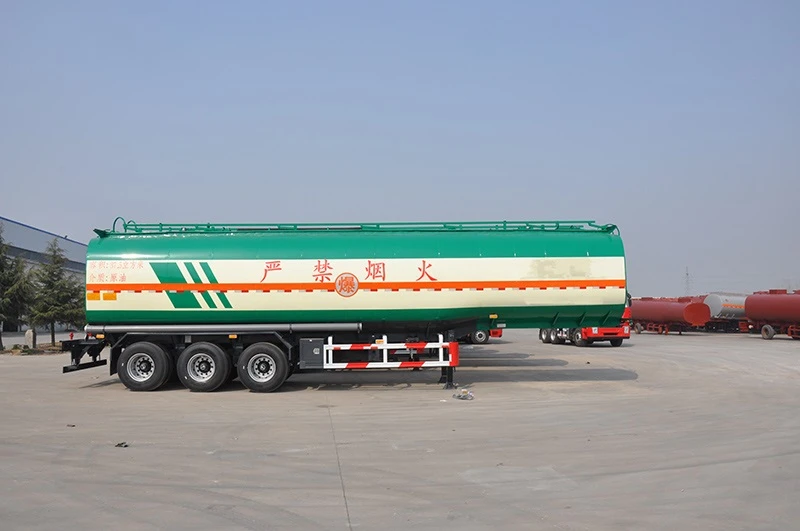
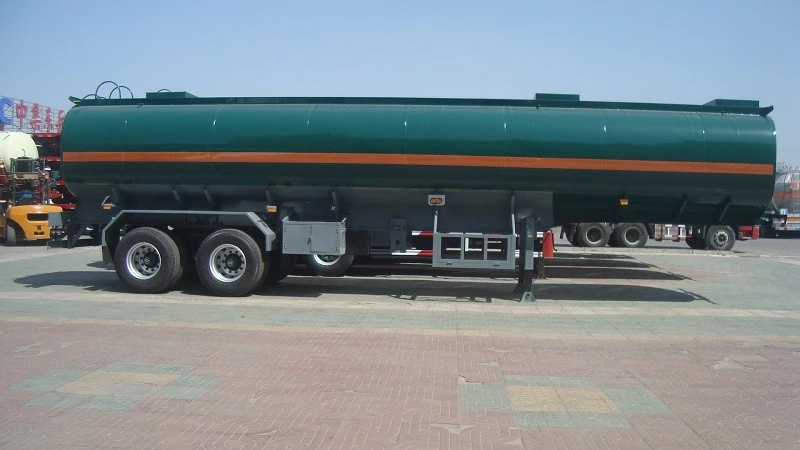
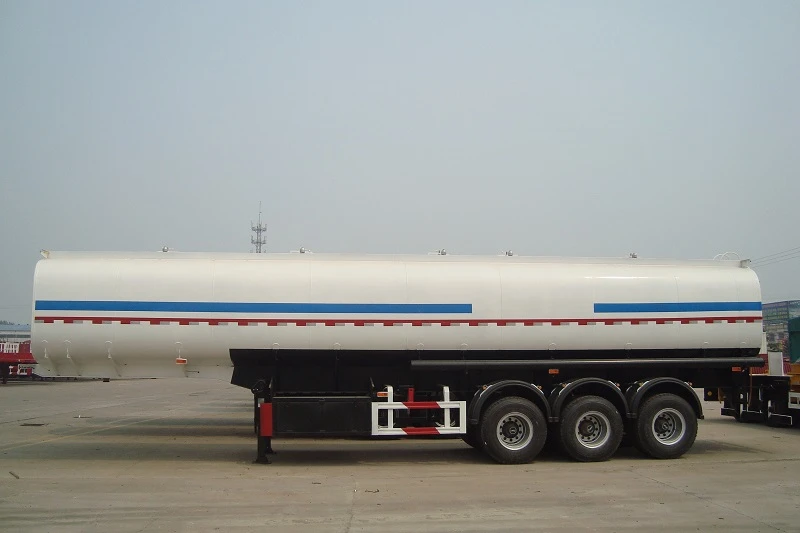
Aluminum 53ft Tanker Trailer for Fuel
Length: typically between 42 and 53 feet Width: usually around 96 inches for single trailers, up to 102 inches for multi-compartment trucks Height: varies depending on the model and configuration Capacity:
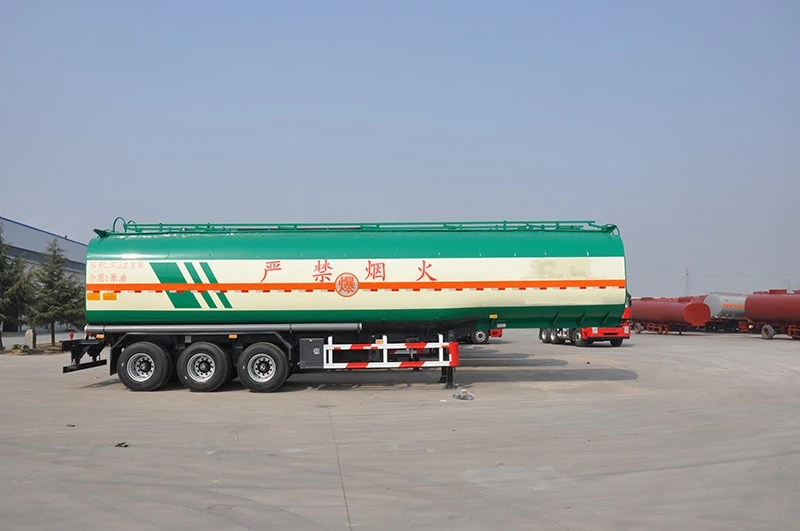
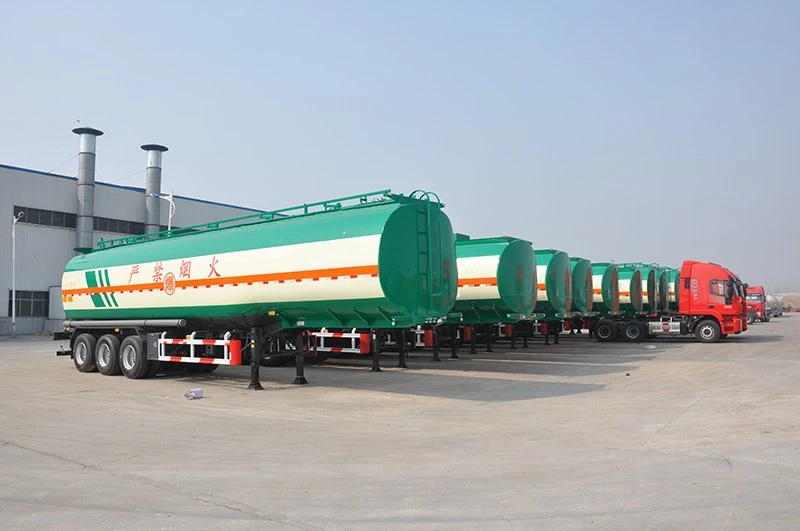
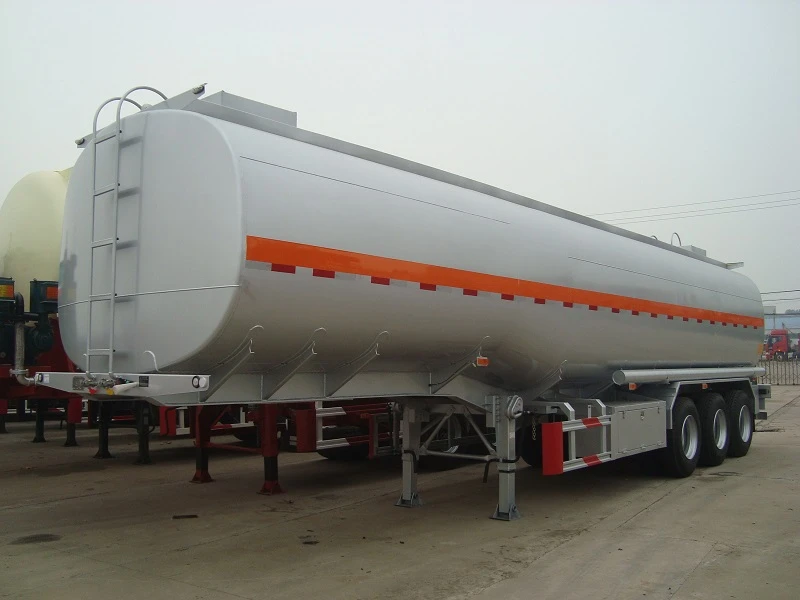
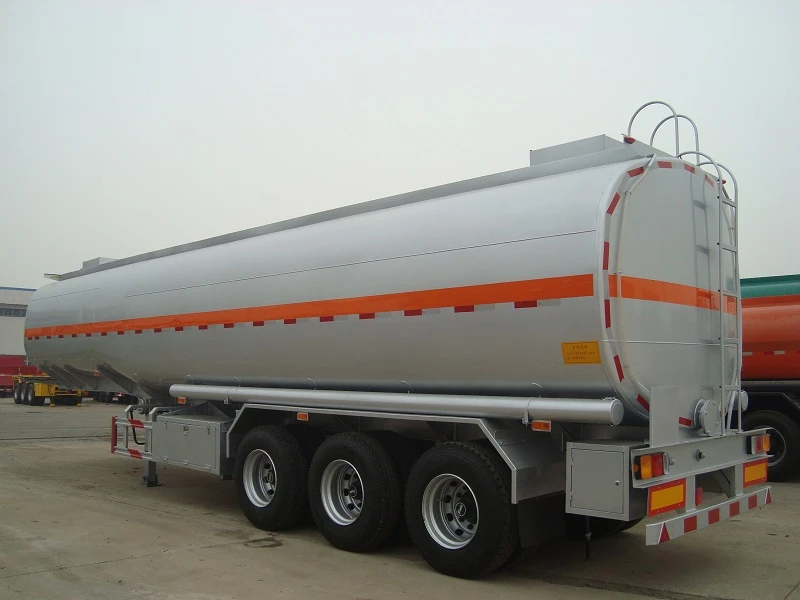
Here is a parameter sheet for a Liquid Tanker Trailer:
Dimensions:
Length: typically between 42 and 53 feet
Width: usually around 96 inches for single trailers, up to 102 inches for multi-compartment trucks
Height: varies depending on the model and configuration
Capacity:
Varies depending on the model and configuration
Can carry a wide variety of liquids including water, chemicals, fuel, and food-grade products
Construction:
Shell: made of high-strength steel or aluminum
Insulation: may have thick insulated walls or heat tracing for temperature-sensitive liquids
Valves: typically located on the rear of the trailer and controlled remotely
Baffles: internal structures to prevent liquid sloshing and enhance stability
Safety features: usually equipped with pressure relief valves, rollover protection, and hazardous material placards
Weight:
Varies depending on the model and configuration
Generally around 10,000 to 30,000 pounds when empty
Total weight can exceed 80,000 pounds when fully loaded with the appropriate permits and equipment
Other:
Proper maintenance and cleaning are important for maximum lifespan and safe transport of liquids
Special permits and licenses may be required depending on the type of liquid being transported
Proper safety equipment and procedures must be followed during loading, unloading, and transport
What can the Liquid Tanker Trailer transport?
Liquid Tanker Trailer mainly transports gasoline, diesel, crude oil, lubricating oil, olive oil, soybean oil, olive oil, alcohol, edible oil. Stainless steel tanker trailer for sale can also be used to transport chemical products such as sulfuric acid, hydrochloric acid, phosphoric acid and caustic soda. raw material.
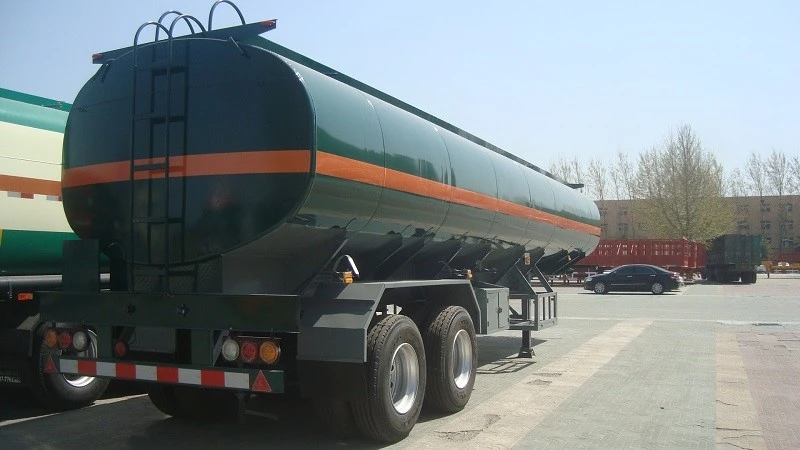
What’s the bottom filling of the Liquid Tanker Trailer?
(1) Bottom loading system of the Liquid Tanker Trailer
In the previous Liquid Tanker Trailer, we pour oil into the tank from the manhole above the Liquid Tanker Trailer price. Add a special oil pump at the rear of the Liquid Tanker Trailer to realize the reverse loading and unloading of diesel.
Now, in order to improve the safety, our Liquid Tanker Trailer production has all done the bottom filling process.
What is bottom filling? Important components for bottom filling: The main components of bottom filling are exhaust gas recovery system, anti-spill system, subsea valve, European standard tank mouth, control head, SO2 socket, anti-static system, bottom canned API connector.
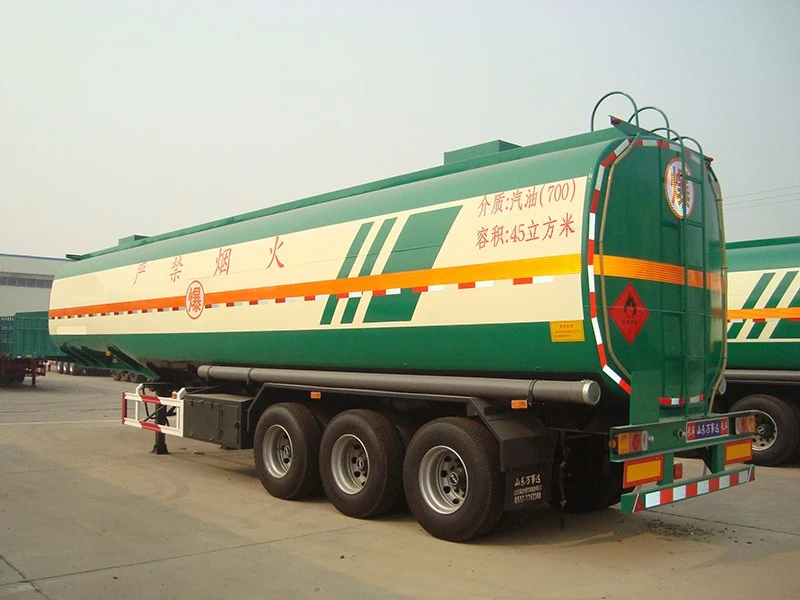
(2) European standard aluminum alloy tank cover
Aluminum alloy european standard semi tanker for sale cover is also manhole cover. It’s usually on the top of the oil tanker for sale, the tank cover has built-in breathing and emergency exhaust functions. Our diesel trailer has oil and gas recovery valve, oil measuring hole, anti-overflow probe on the manhole cover, etc.
During the filling process of the anti-overflow sensing system, when the liquid level reaches the detection position, the sensing system will automatically alarm to stop the loading of the oil.
The built-in breathing valve keeps the internal pressure of the fuel tank trailer stable and balanced with the external pressure when transporting oil.
Its spill-proof design prevents road tanker trucks from being sealed in the event of an accident.
When the pressure of the emergency exhaust device in the oil trailer rises sharply, it will automatically open to release the pressure in the oil trailer, thereby preventing accidents and greatly improving the safety of oil transportation.
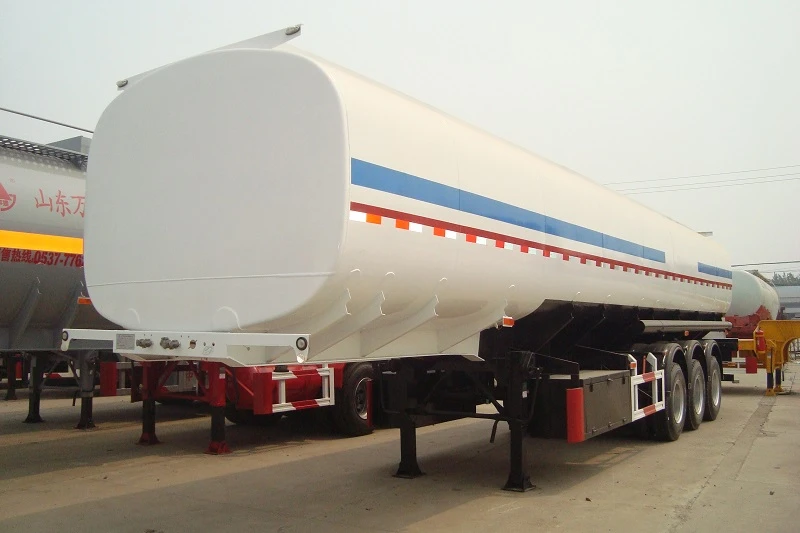
(3) Subsea valve
Subsea valve(emergency shut-off valve). Simple operation, time saving, safety and environmental protection.
Pressure-balanced subsea valve is used for multi-compartment petrol tanker price, which can carry out separate loading and unloading of different tanks. The three-way design of gas tanker for sale simplifies the pipeline, reduces the load, easy to operate, and safe and reliable.
The pneumatic shut-off valve is installed at the bottom of the water tank semi trailer tank and can be refueled. The internal pressure of the valve is small, the flow is large, and there is a cut-out groove on the flange of the valve body. If the force is too large, the gas tanker for sale body pipeline and the tank body will be automatically disconnected, and the automatic centering plunger and durable spring will still remain sealed, and the medium in the milk tanker for sale will not leak, thereby ensuring the safety of the fuel tanker for sale in south africa.
When we can’t open because there is no air source or other reasons, we can open the cylinder piston rod and open it manually.
How to maintain the Liquid Tanker Trailer?
In addition to the normal inspection of the braking system and the lubrication system, the Liquid Tanker Trailer should also pay attention to the following points:
(1) Do not make the tire pressure too high.
If the tire pressure is too high, the ground contact area of the tire will be reduced. The tread wear will be severe, this will reduce the braking effect when braking. There is no doubt that this will affect driving safety; when the air pressure is too high, the tires will easily explode on bumpy roads.
However, too low tire pressure is not good. Too low tire pressure will accelerate tire wear, increase water tank semi trailer fuel consumption, and also affect driving safety and vehicle braking effect.
(2) Too much diesel or gasoline filling in Liquid Tanker Trailer. Too much diesel or gasoline can easily block the breathing valve. As a result, steam cannot be effectively eliminated, and pressure is generated inside the petrol tanker price. Valve damage has occurred.
Specification
| Length | typically between 42 and 53 feet |
| Width | usually around 96 inches for single trailers, up to 102 inches for multi-compartment trucks |
| Height | varies depending on the model and configuration |
| Shell | made of high-strength steel or aluminum |
| Insulation | may have thick insulated walls or heat tracing for temperature-sensitive liquids |
| Valves | typically located on the rear of the trailer and controlled remotely |
| Baffles | internal structures to prevent liquid sloshing and enhance stability |
| Safety features | usually equipped with pressure relief valves, rollover protection, and hazardous material placards |
Request a Quotation
Send us your destination port and any special requirements. Our team reviews the configuration and prepares a quotation.